How we work
Choosing an ERP partner is not a comparison of features. It is a comparison of risks.
The features are the same for everyone. What differs is what happens when the standard does not fit, when your data arrives messy, and on the morning after the go live.
So here is exactly how a project with us runs, and what we ask of you.
Most of what goes wrong was decided before anyone wrote a line
An ERP project rarely fails on a missing feature. It fails because nobody said early enough that a request would be expensive to carry for the next ten years, because the existing data was worse than anyone admitted, or because the people who would use the thing every day were shown it three weeks before it went live.
None of that is bad luck. All of it is a matter of method, and it is the part you should be judging us on.

What a project actually looks like
Seven stages. The first two are where the money is saved.
A conversation, not a demonstration
We want to understand how you work before showing you anything. If we conclude that Odoo is a poor fit for you, we will say so at this stage rather than three months in.
Workshops, and a list of what stays standard
We go through your processes with the people who run them. Every request gets sorted into what the product already does, what is a matter of configuration, and the few things that genuinely need building. That sorting is the single most valuable thing we do.
An honest word about what custom work costs
Anything built for you has to be carried across every future version. We tell you what that will cost before you decide, not when the invoice for the next migration arrives.
Your existing data, loaded and checked
Your spreadsheets and your current system become the starting stock. This is usually where a project discovers what its data really looks like, and it is better to discover it early.
The people who will use it, trained on it
Trained on your data and your processes, not on a demonstration database. A system nobody was shown does not become used just because it went live.
And someone on the phone that week
A go live is a week, not a moment. We plan for the questions that only appear when real people start real work.
Support, hosting, and the yearly version
We host and operate the servers, we answer through one channel that the whole team sees, and we tell you each year what moving to the new version would involve. No surprises in either direction.
Your request reaches all of us
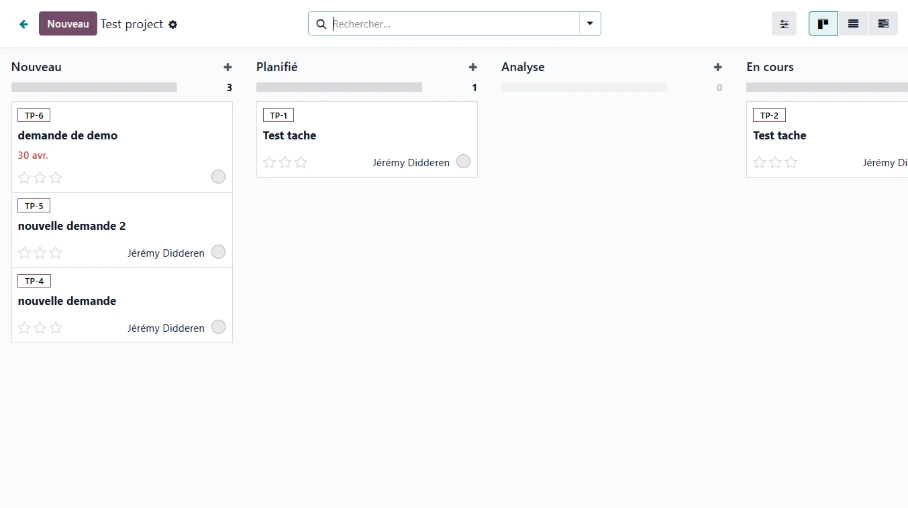
Your requests come into one place that everyone here sees, rather than the inbox of the consultant you happen to know. It is the difference between a request picked up today and one that waits for somebody to come back from holiday.
Since we are also using Odoo, you will have access to our portal to track everything.
And the question nobody asks until it is too late
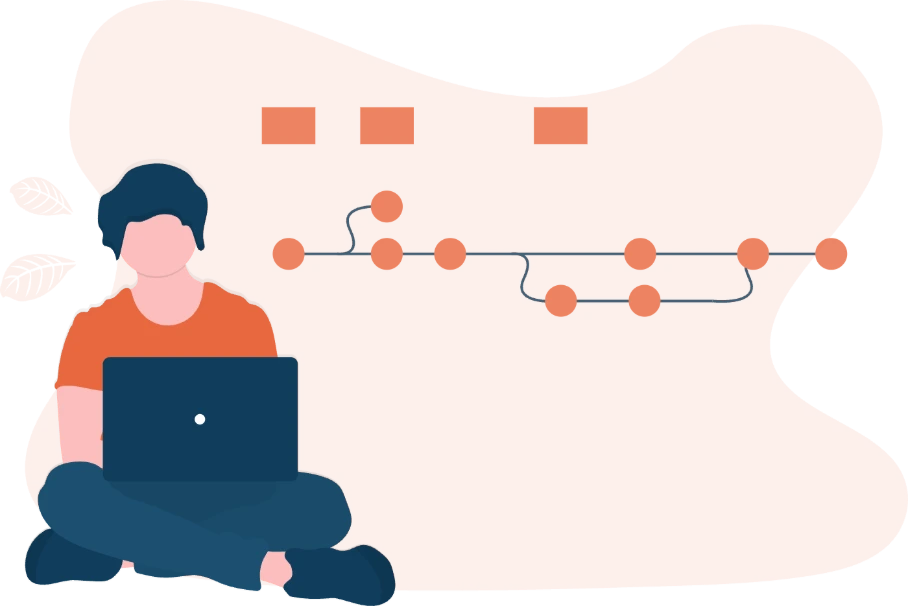
Odoo publishes a new version every year. You do not have to follow every one, but the cost of catching up grows with the distance.
And what makes that cost is not the product, it is what was built on top of it. Which is the honest answer to why a cheaper project can turn out to be the expensive one.
Where to go next
Who we are
The two people running Noviat, and why both of them have spent years on the client side of an ERP.
What is Odoo
The product itself: what it covers, what a version a year means for you, and where configuration stops.
What we are called in for
Finance, logistics, made-to-measure products and site based business, plus Ordo for public administrations.
Tell us what you are trying to solve
Not which modules you think you need. Describe the situation and we will tell you what Odoo handles as it comes, what needs configuring, and the few things that genuinely need building. If the answer is that we are not the right people, you will hear that too.